
Historic Properties
Entries where architecture or history is the reason to notice them first.
Open Historic PropertiesIndependent hospitality guide
Getaway Palace Land describes hospitality properties with the same structure every time — setting, rooms, dining and surroundings — then points you to each property’s own official listing. No rankings. No promises. Just clear entries you can compare.
Browse by lens
Each catalog gathers a different kind of attention — history, a seasonal shortlist, or quieter stays that repay a closer look.
Entries where architecture or history is the reason to notice them first.
Open Historic Properties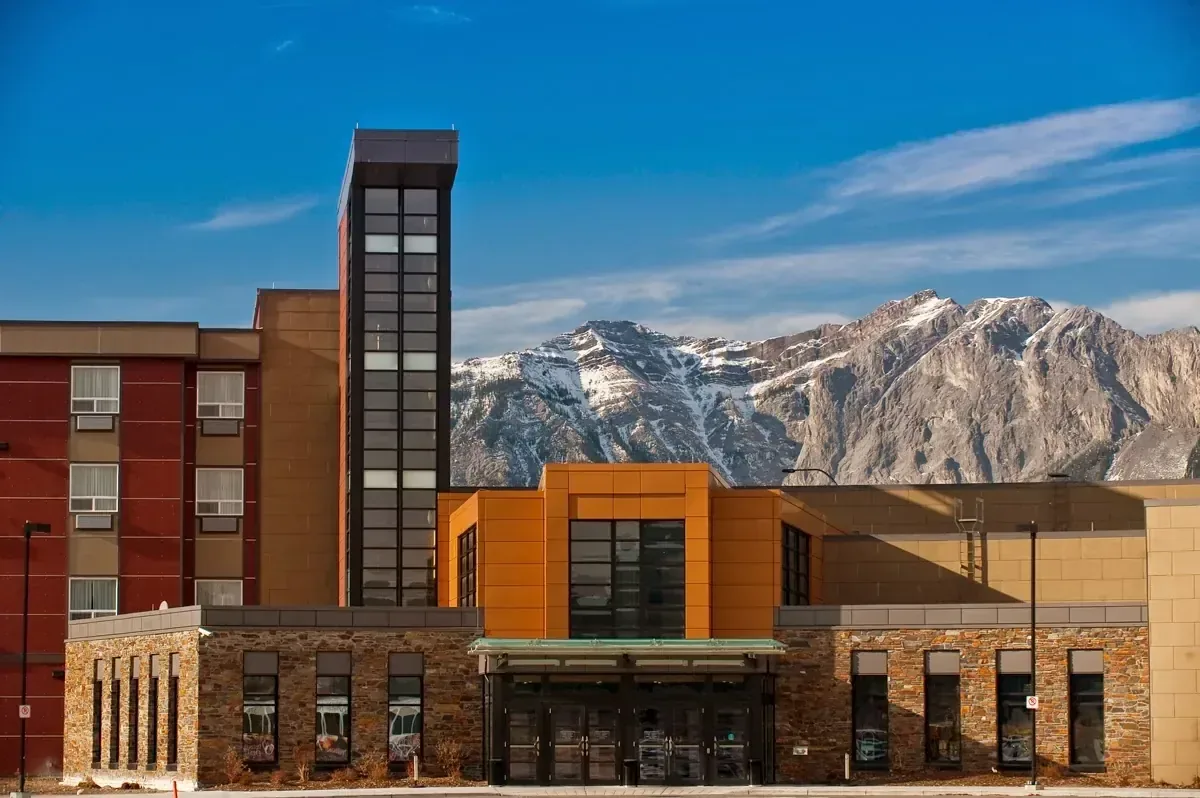
A rotating selection of highlights across the guide — for information, not as a ranking.
Open This Season's Picks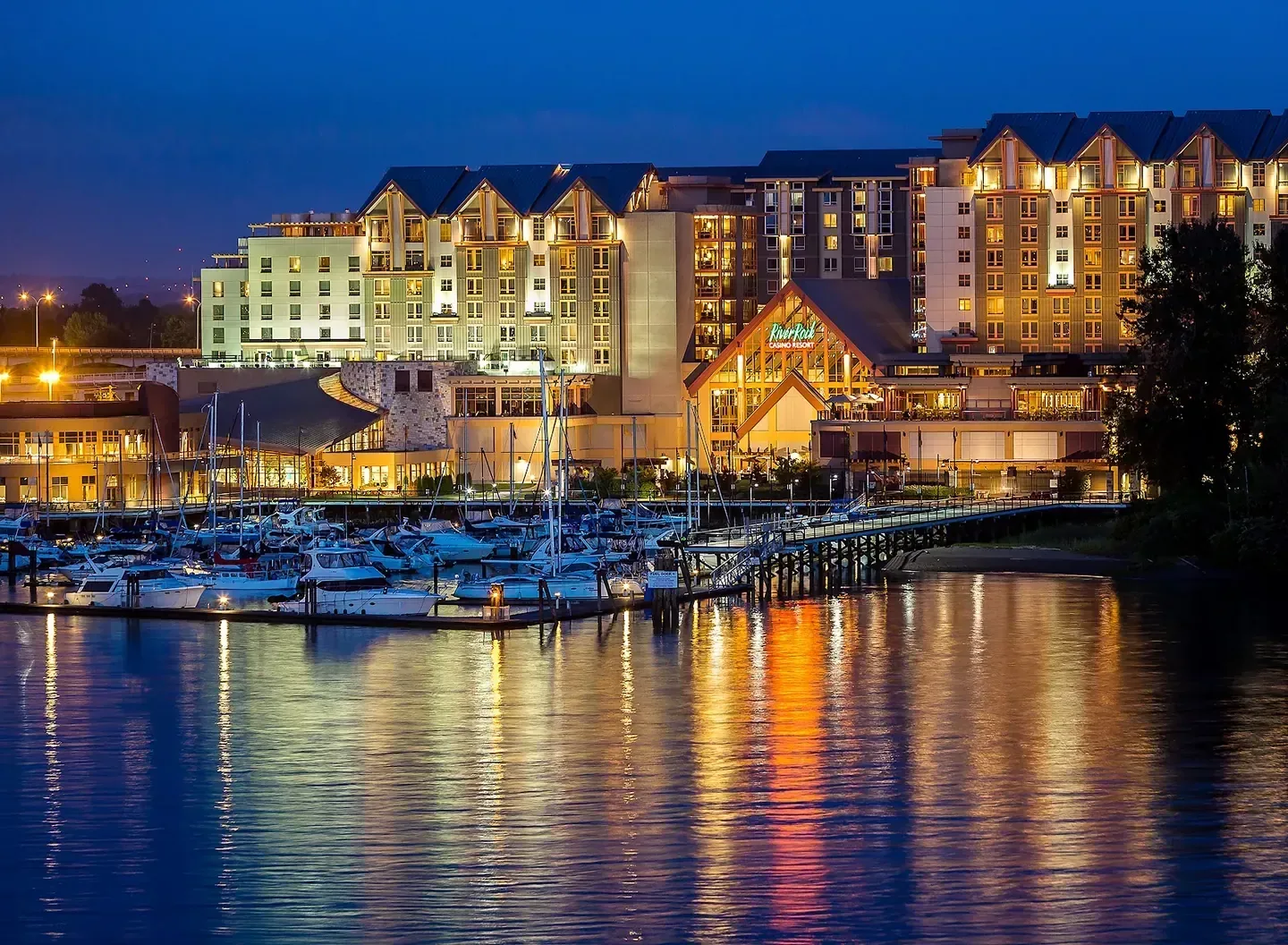
Smaller or less obvious properties that stand out for setting and character.
Open Lesser-Known StaysMission
This guide exists so a reader can understand what a property is — its category, its setting, the kind of stay it supports — without being sold anything. We write as observers, not as agents.
Every entry follows the same skeleton: where the place sits, what kind of hospitality it offers, and how its surroundings shape the visit. That consistency is deliberate. It lets you scan across pages without learning a new format each time.
We do not invent rankings, guest quotes or amenities we cannot ground in the facts we hold. When you want details, schedules or anything transactional, the official listing is the next step — and the only one this site points to for each property.
Arrival notes
What tends to matter when you first walk into a resort or casino hotel — useful when reading any entry here.
The lobby tells you whether the stay is urban-tight or resort-spread. Look for how public floors relate to guest corridors.
Casino hotels often separate gaming from sleeping floors; that division is part of the arrival experience, not an afterthought.
Waterfront and mountain properties announce themselves through windows before anything else. City hotels announce themselves through density.
Our descriptions name the setting type so you know which kind of outlook to expect without a sales pitch attached.
Dining and gaming areas carry energy; guest floors usually sit apart. Knowing that split helps you read a property’s character.
We treat both as facts of the place, not as reasons to visit or avoid it.
House rules, adult-only areas and check-in detail belong to the property. This guide only sketches the landscape.
Use the listing link on each catalog card when you need the provider’s own wording.
Structure of a stay
Across the properties in this guide, a stay is built from a few recurring parts. We describe them in plain language so you can compare entries without hunting for buried marketing claims.
City centre, countryside, waterfront or mountain — the landscape that frames the building.
Guest floors intended for overnight lodging, separate from the busiest public areas.
On-site places to eat as part of the hospitality offer, not as a ranked restaurant list.
What sits beyond the property line — river, skyline, open land or mountain country.
Atmosphere
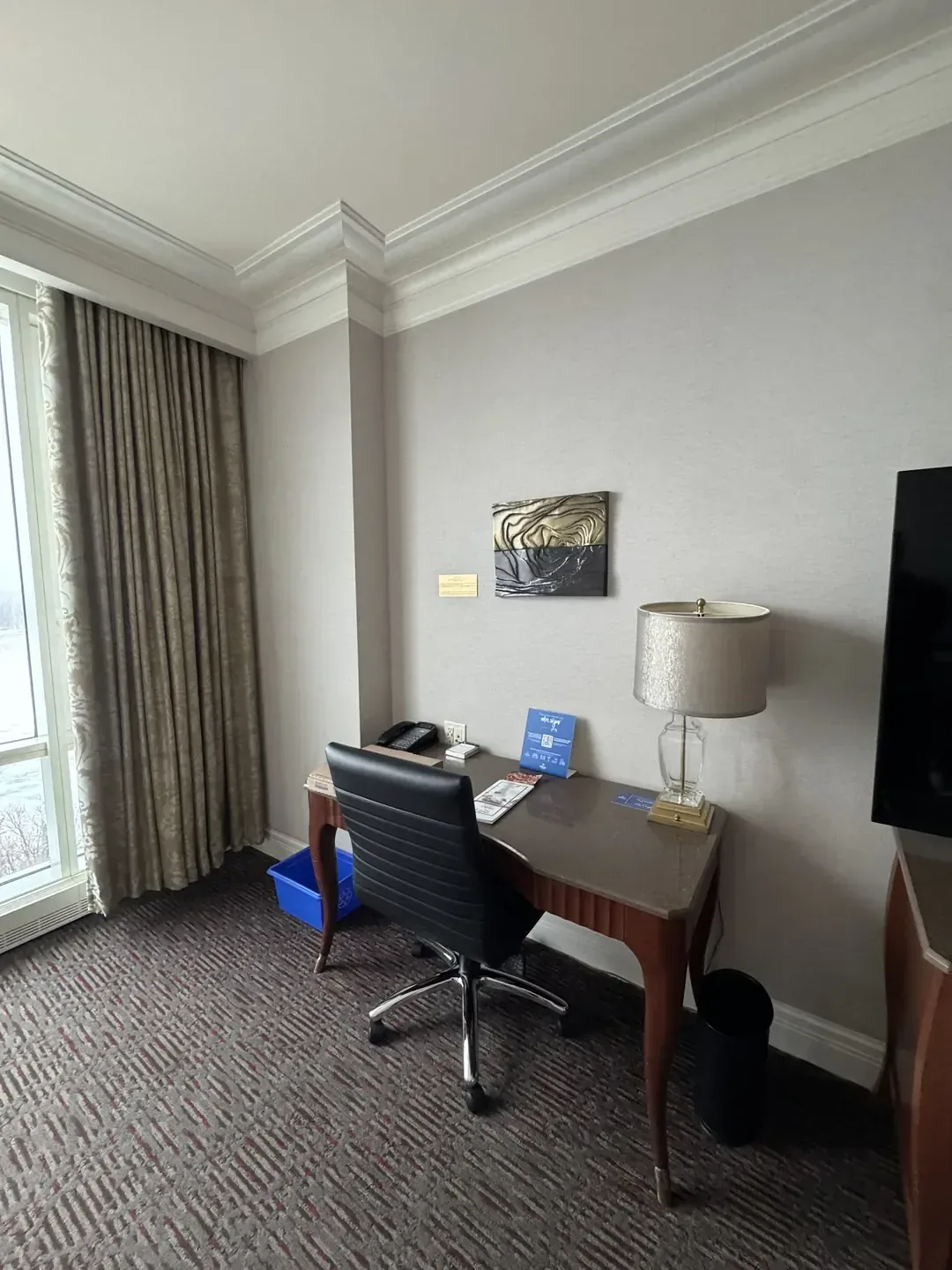
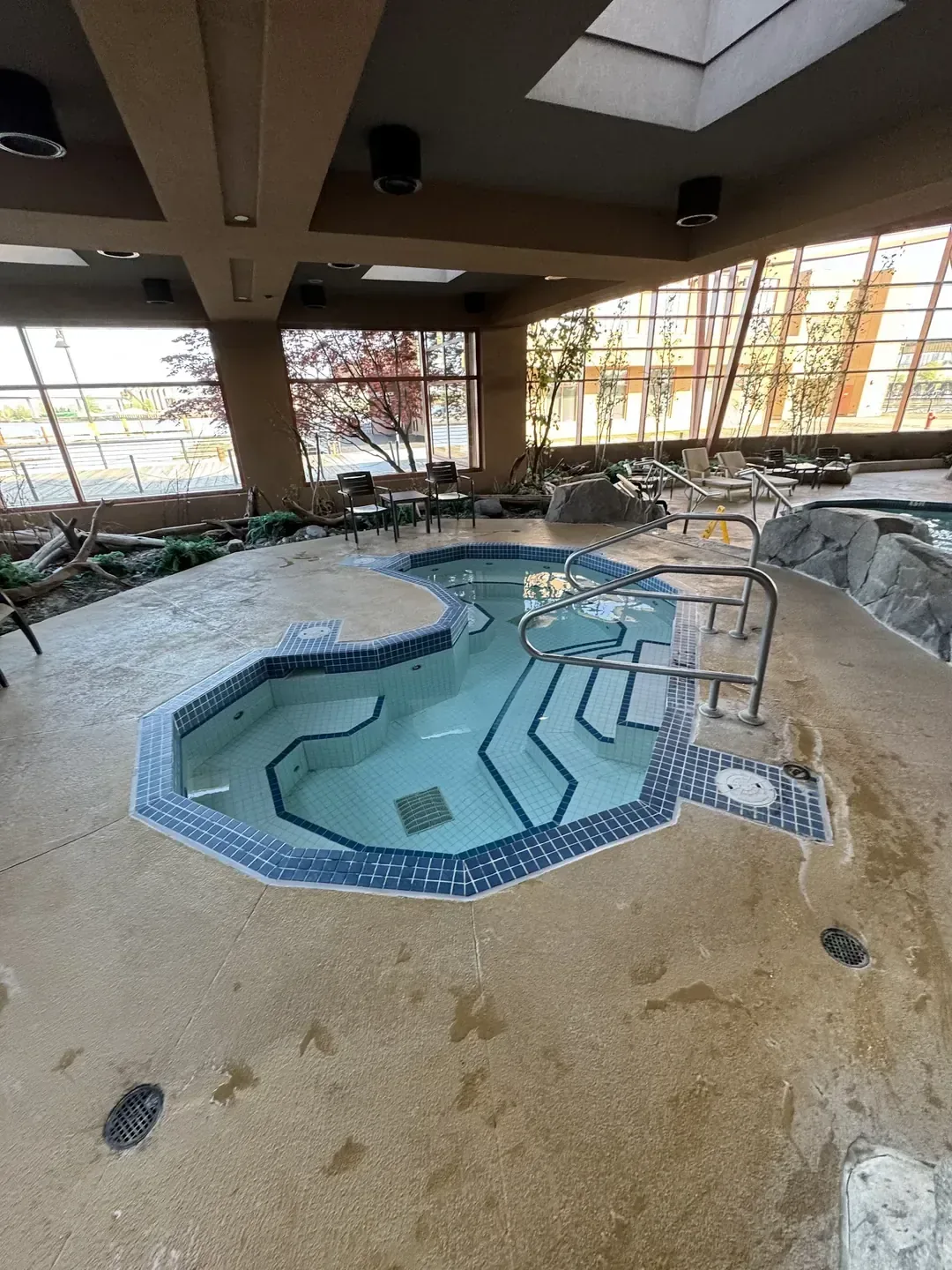
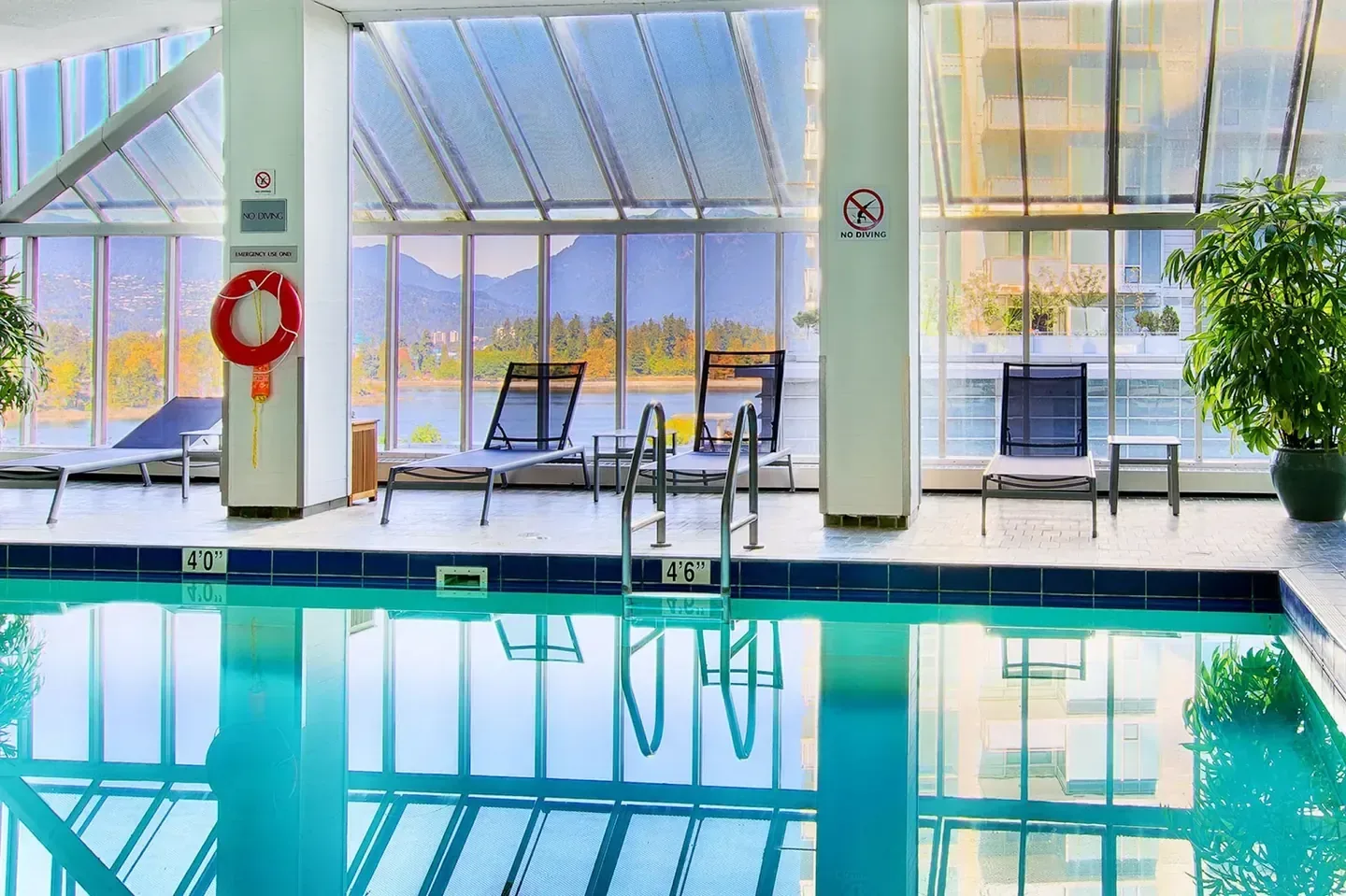
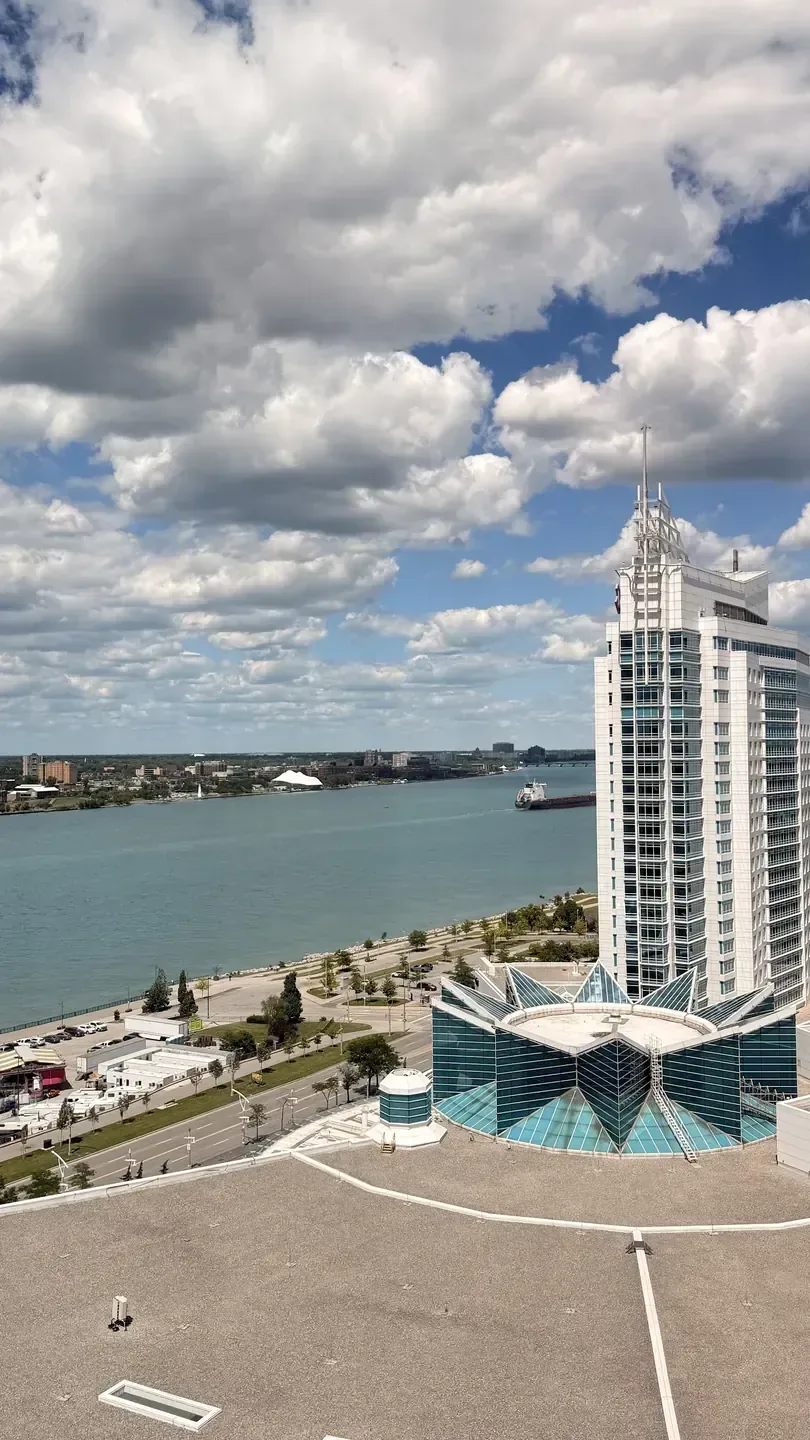
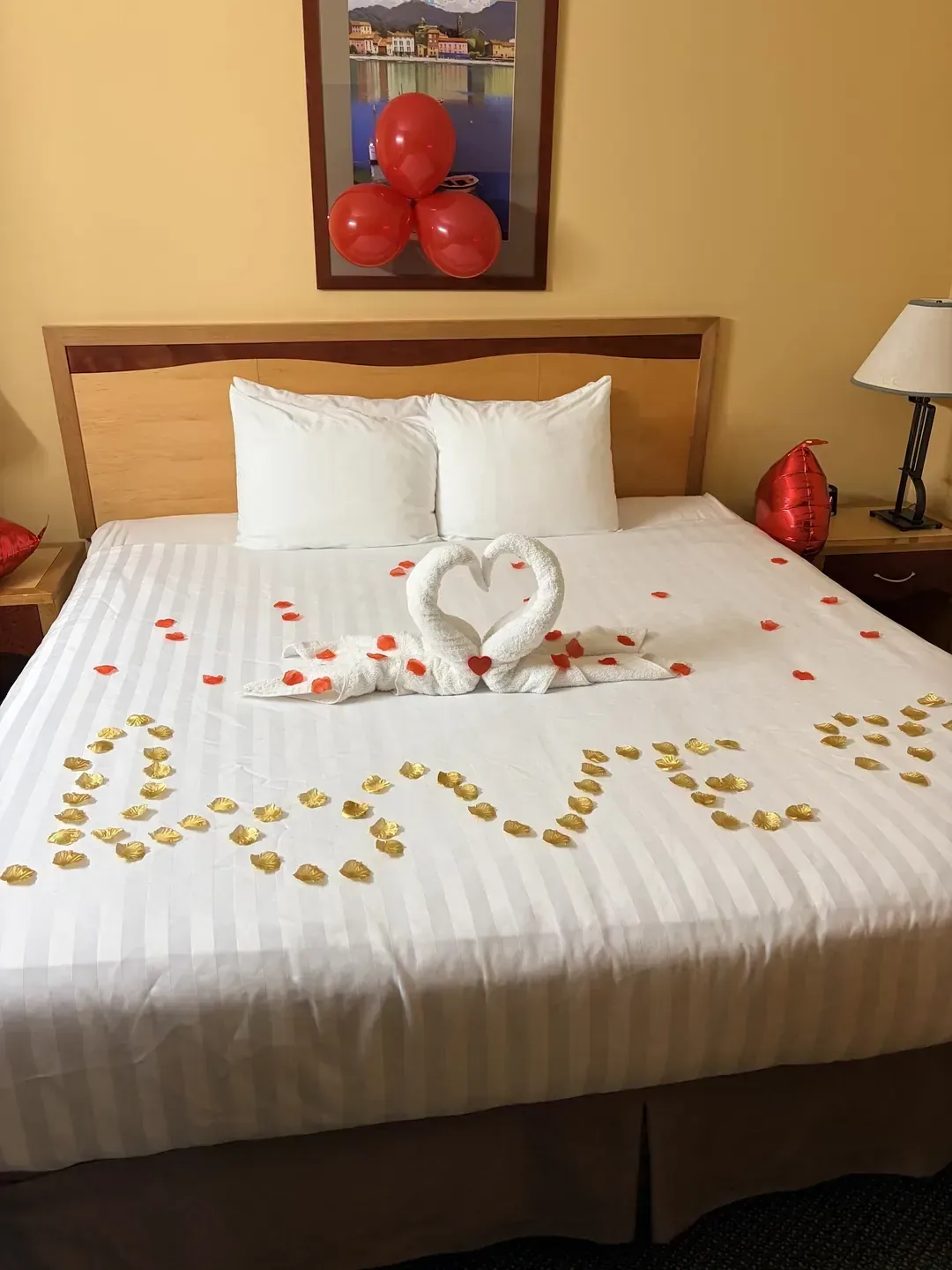
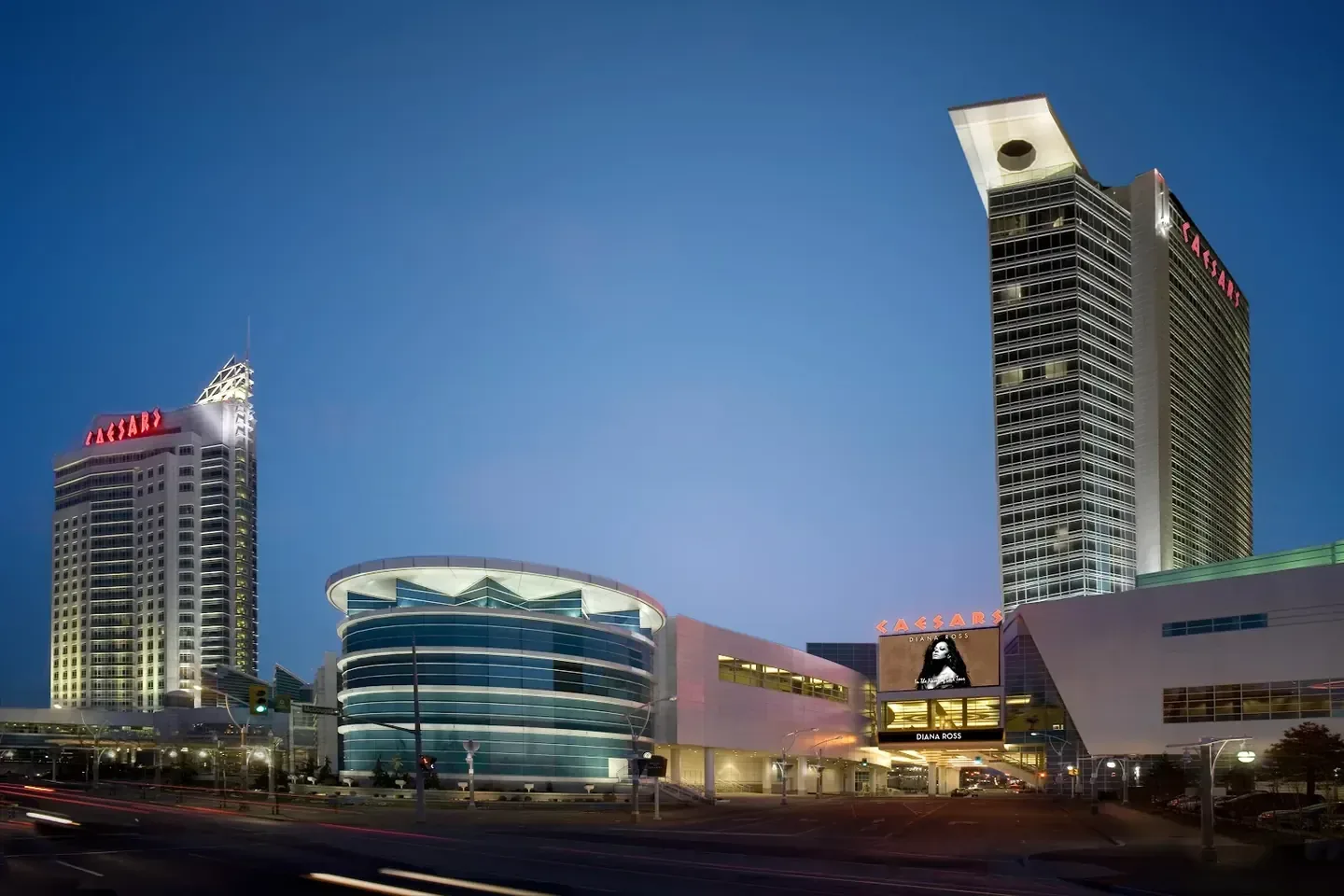
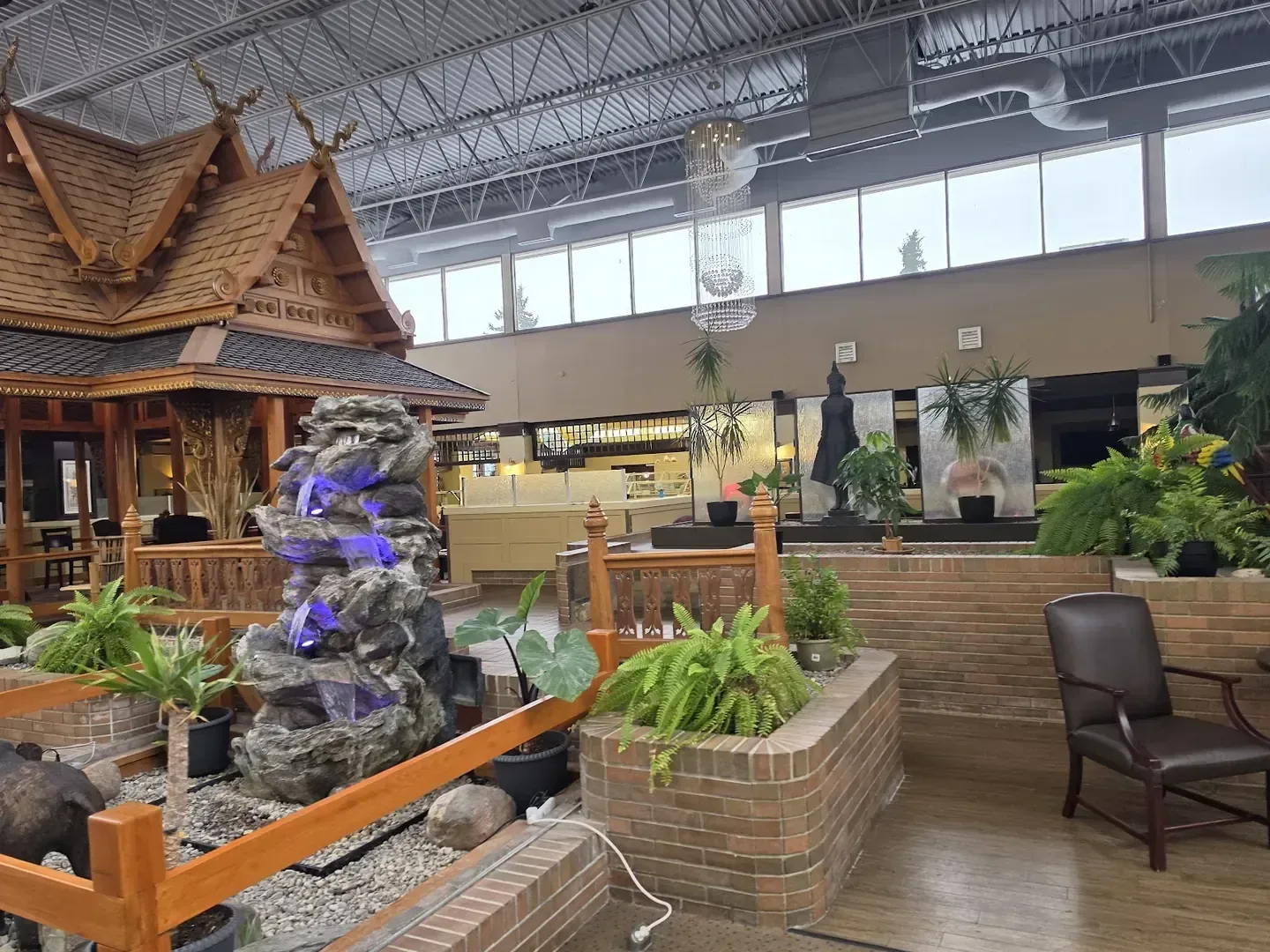
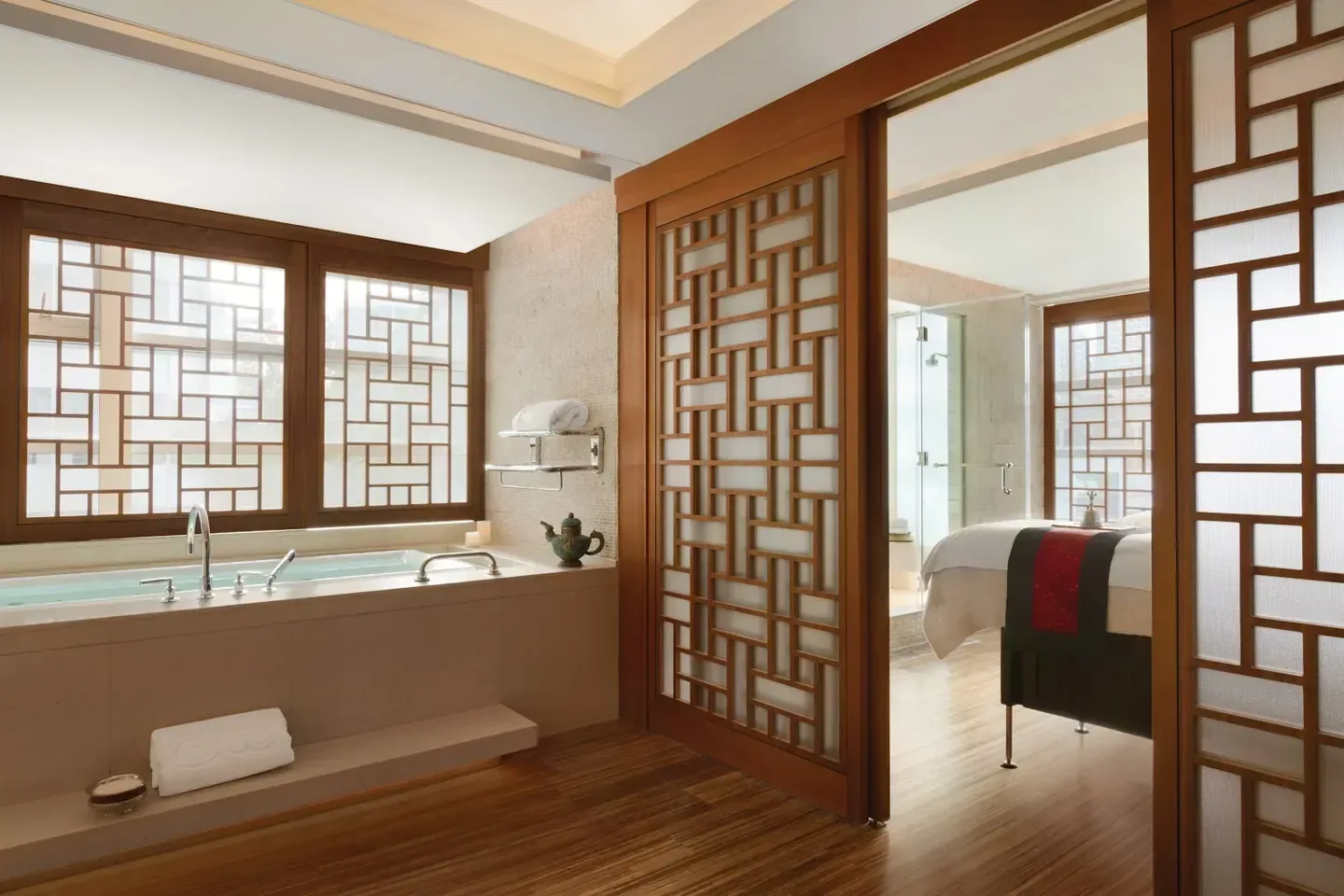
Four glimpses from properties covered in the catalogs — surfaces, light and landscape, not a gallery of rooms for sale.
Geography in the guide
Entries span several provinces. Region names here are for orientation only — the site itself is not tied to a single place.
Downtown city hotels and waterfront resort lodging near major gateways.
Mountain and countryside resort properties with casino hospitality floors.
Open-country resort lodging set apart from dense urban centres.
Waterfront resort hotels where the river shapes the outlook.
Historic and lakeside resorts along the St. Lawrence corridor and capital region.